Summary: Amid escalating tensions in the Strait of Hormuz and ongoing direct US strikes, the Iranian parliament is moving to pass urgent legislation granting Tehran full control over navigation and restricting foreign presence, amid warnings of a global crisis.
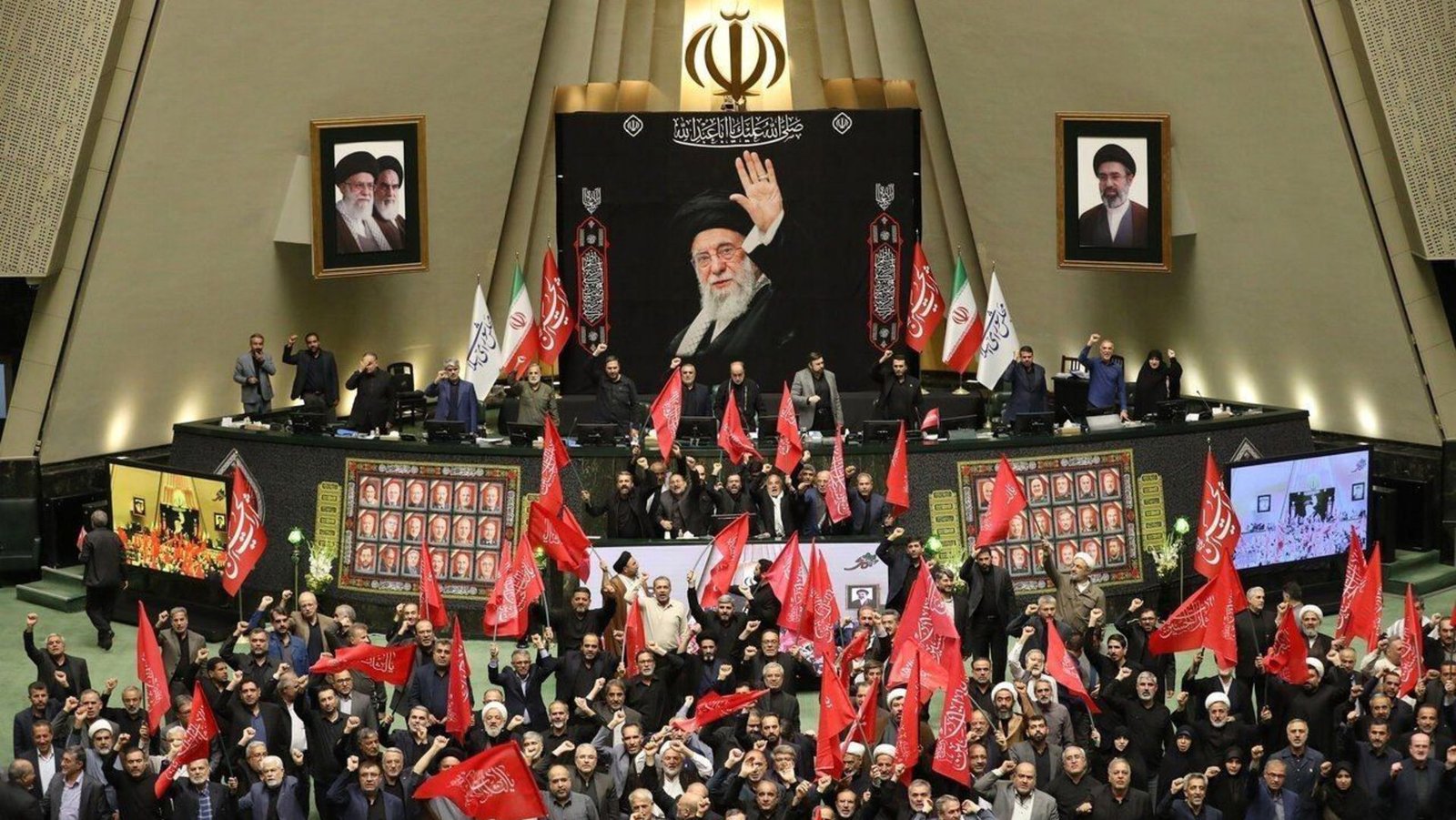
Tension in the Strait of Hormuz and renewed strikes between Iran and the United States of America are heading toward escalatory paths from both sides, with a US threat to impose a blockade on the strait. In response, the Iranian parliament is scheduled to hold a public session to discuss a draft law concerning the management of the Strait of Hormuz, defining transit routes, and collecting fees for providing services and transit in the strait. This public session is the first since the beginning of the war.
According to what was reported by Al Jazeera's correspondent in Tehran, Farah Al-Zaman Shawqi, the Iranian parliament is seeking to grant "urgent" status to the draft law on managing the Strait of Hormuz to make it a top priority, thereby accelerating the voting process for it to become an effective law in the shortest possible time.
The draft was put forward for discussion during a parliamentary session yesterday evening, Monday, attended by about 250 MPs. Notably, a picture of the new Supreme Leader, Mojtaba Khamenei, was present in the absence of the Speaker of the Islamic Consultative Assembly, Mohammad Bagher Ghalibaf, according to the correspondent.
According to the Al Jazeera correspondent, the law aims to discuss navigation affairs, define corridors, and even collect fees for providing services and transit in the Strait of Hormuz. The National Security and Foreign Policy Committee is responsible for drafting the bill.
In order for the law to be passed, it requires completing all followed parliamentary steps, which begin with placing the law under close study, as each clause is studied individually, and then each clause is put to a vote by the MPs. It then becomes a binding law for the government and all officials, both politicians and military personnel.
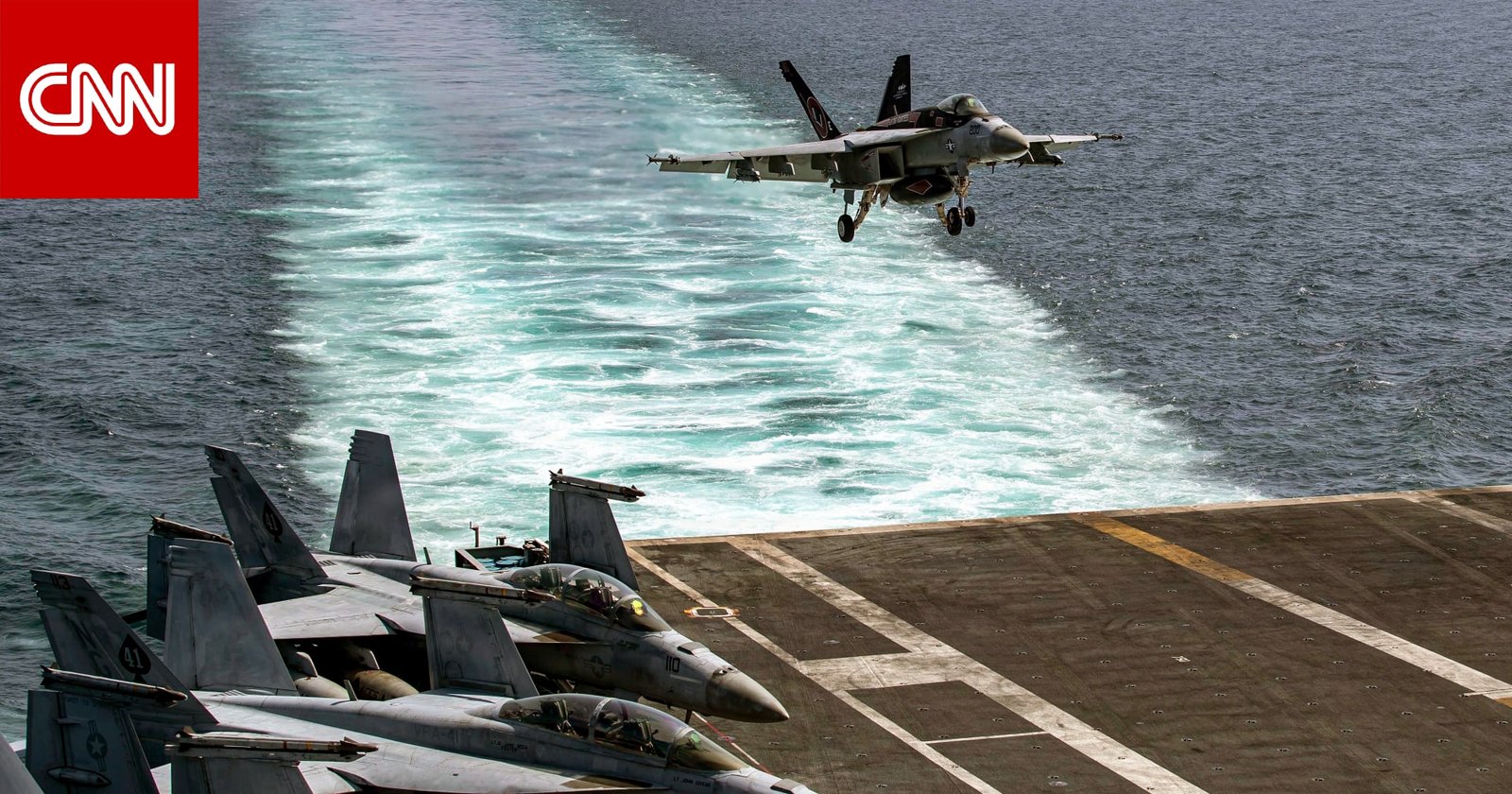
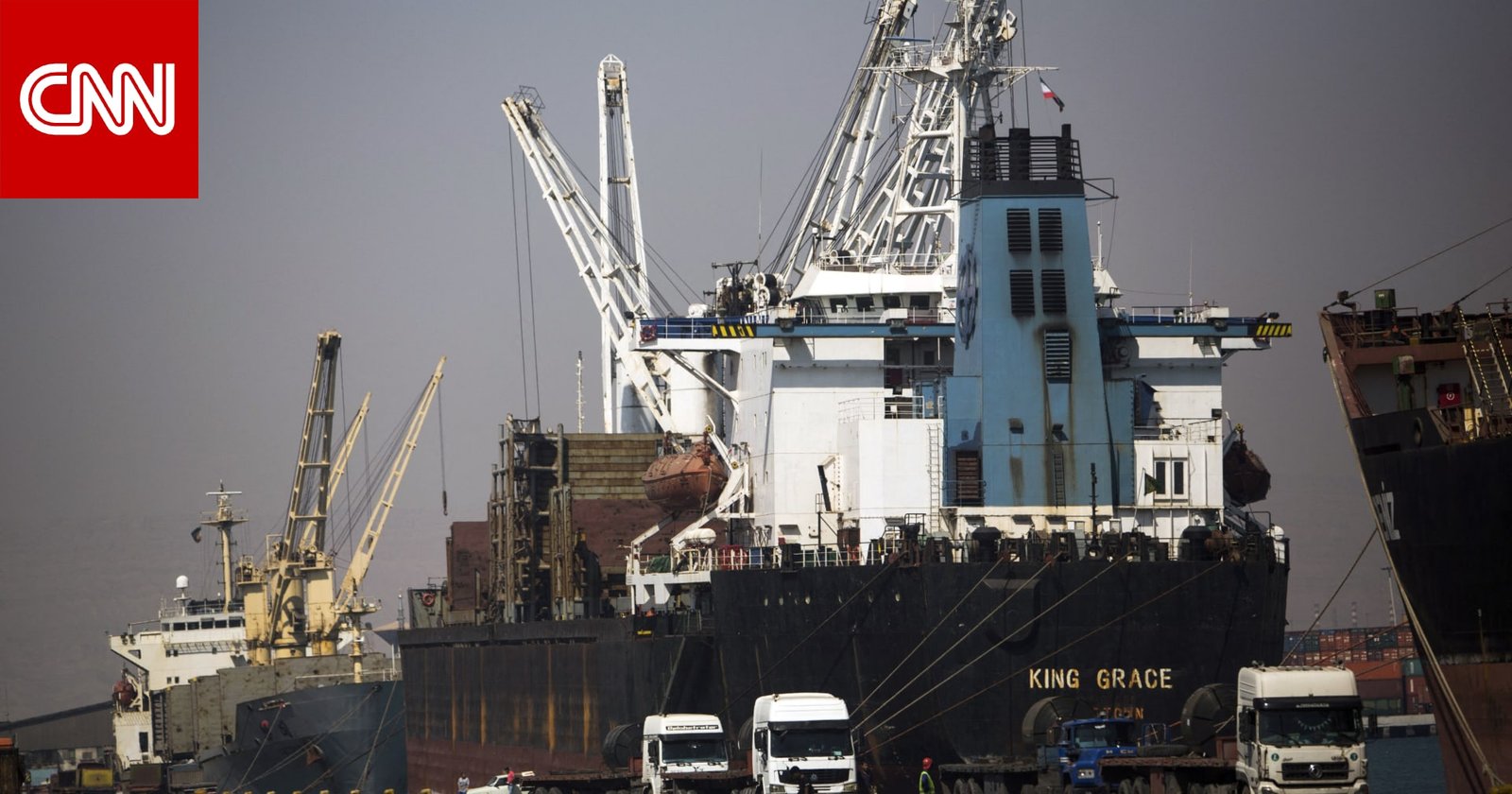
According to a report by Shaimaa Bouallam, the scene in the Strait of Hormuz has come to embody the equation of "blockade versus closure" between the United States and Iran. On one hand, Washington announced the re-imposition of a naval blockade on Iranian ports and launched extensive strikes that hit more than 300 targets—including a base in Bandar Abbas—with President Trump conditioning protection on receiving a 20% compensation from transported shipments as fees for providing protection.
The report concludes that this mutual war of attrition undermines previous understandings and makes the prospects for a diplomatic solution and political dialogue more complex and difficult.
As for the timeframe required for Iran's Strait of Hormuz management draft law to be finally approved, Farah Al-Zaman said that the period could range from two weeks to a month if no one objects to it. If someone does object, it will go through legal stages that may delay it.
Original source: www.aljazeera.net