
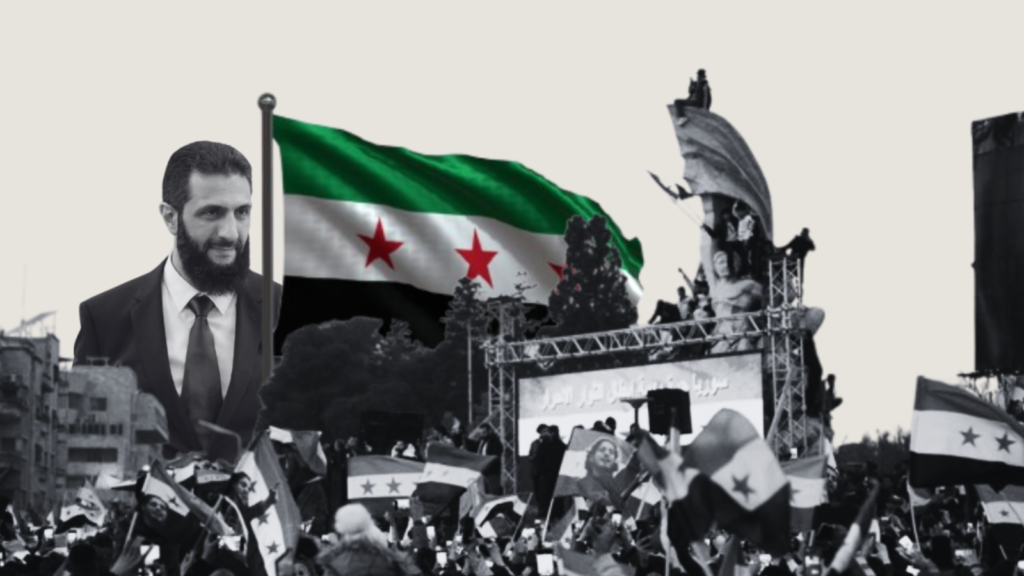
Syria is undergoing a political transition aimed at rebuilding state institutions and establishing a new political framework. Efforts continue to form transitional institutions, advance constitutional and legislative reforms, and integrate the Syrian Democratic Forces (SDF) and northeastern Syria into the state’s political, military, and administrative structures. However, disagreements over power-sharing, governance, and security arrangements continue to slow progress toward a unified and stable Syrian state.
Latest Updates
SDF Dissolved and Fully Integrated into Syrian State Institutions
Mazloum Abdi announced the dissolution of the Syrian Democratic Forces (SDF) and their full integration into Syrian state institutions, marking the end of their role as an independent military force. This move follows an agreement with President Ahmad Al-Sharrah and aims to transition from conflict to peace and reconstruction in Syria. The decision includes implementing Kurdish language education rights and integrating SDF units into the Syrian army, reflecting a significant political transition in Syria's governance and security landscape.
Source: aawsat.com
SDF Completes Integration into Syrian State Military and Administrative Institutions
The Syrian Democratic Forces (SDF) have finalized the integration of their military, administrative, and security institutions into the official structures of the Syrian state, marking a new phase following the collapse of the Baath regime. SDF leader Mazloum Abdi announced that while these institutions retain their distinct identity, they now operate under the Syrian state's framework. This move aims to establish new state institutions in formerly autonomous regions and continues the political struggle to secure constitutional rights for local communities, including Kurds, in the upcoming Syrian constitution.
Source: aawsat.com
SDF to Dissolve Autonomous Administration and Integrate into Syrian Army
Mahmoud Barkhudan, commander of the Syrian Democratic Forces (SDF) in Ain al-Arab, announced that 10,000 to 12,000 SDF fighters have been integrated into the Syrian army, with plans to dissolve the SDF and the Autonomous Administration structure within days. The integration process has reportedly overcome over 99% of obstacles, aiming to establish a unified state, army, flag, and homeland. Turkish President Recep Tayyip Erdoğan also expressed intentions to visit Syria to support stability efforts.
Source: aawsat.com
Third Batch of SDF Fighters Joins Military Training for Syrian Army Integration
The third group of Syrian Democratic Forces (SDF) members from the Hasakah region has moved to Rif Dimashq to undergo military training as part of their integration into the Syrian Arab Army's 60th Division. This follows earlier batches trained in June and July. Syrian Deputy Defense Minister Sibhan Hamo confirmed the completion of military and security integration, marking a transition from integration to institutional harmony. Plans include dissolving the SDF and autonomous administration, with the Syrian government assuming full regional control and addressing political and legal reforms.
Source: aawsat.com
Syrian President Meets SDF Leaders to Discuss Political and Military Integration
Syrian President Ahmad Al-Sharrah met with the commander of the Syrian Democratic Forces (SDF), Mazloum Abdi, and the Autonomous Administration's foreign relations official, Ilham Ahmed, in Damascus. The meeting focused on advancing the implementation of the January 29 agreement and the integration of SDF and Autonomous Administration structures into state institutions. No final agreement was announced, with negotiations ongoing to find a national formula ensuring Syria's unity, stability, and the protection of all citizens' rights.
Source: aawsat.com
Kurdistan Region President Barzani Visits Damascus to Strengthen Ties
Nêçîrvan Barzani, President of the Kurdistan Region of Iraq, made his first visit to Damascus since the fall of the Assad regime, meeting with Syrian President Ahmad Al-Sharrah and Foreign Minister Asaad Al-Shibani. The discussions focused on enhancing economic cooperation, security coordination, and regional stability amid rising Middle East tensions. Key topics included border trade, the status of Syrian Kurdish refugees in Kurdistan, and advancing the implementation of a January 2026 agreement aimed at stabilizing northern and eastern Syria. The visit aims to build balanced relations between Damascus, Erbil, and Baghdad to support peace and development.
Source: aawsat.com
Syrian Parliament Adopts New Internal Regulations with 231 Articles
The Syrian People's Council has approved a new internal regulation comprising 231 articles, setting the council's term at 30 months with possible renewal. The regulation mandates three ordinary sessions annually, public and broadcasted meetings with provisions for secret sessions under national security concerns, and establishes permanent committees including constitutional, budgetary, defense, and transitional justice affairs. It also outlines procedures for treaty ratification, law enactment, and presidential vetoes. The new rules aim to enhance transparency and legislative efficiency in Syria's political transition.
Source: aawsat.com