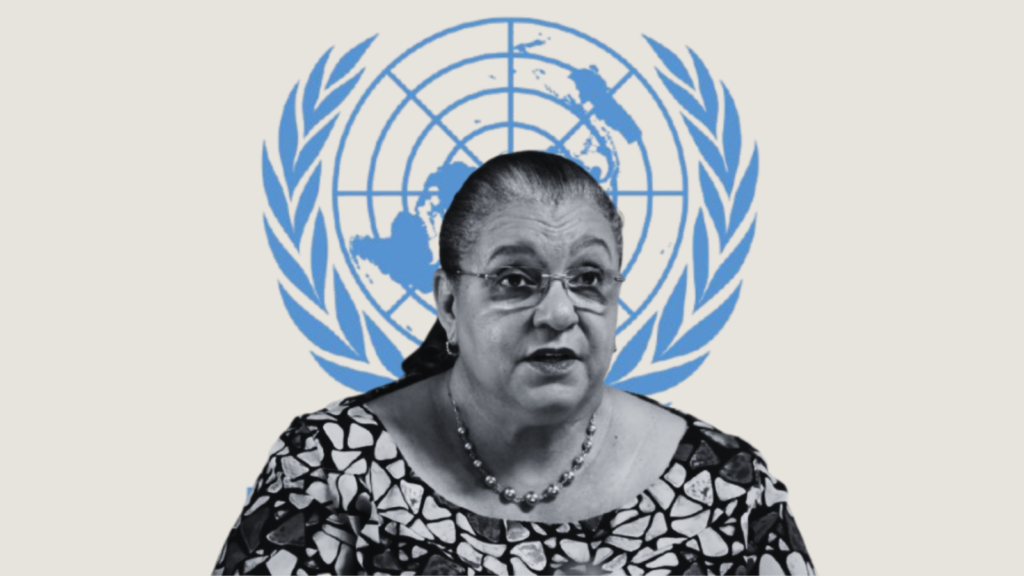
The UN Political Process in Libya, led by UNSMIL under Special Representative Hanna Tetteh since January 2025, seeks to facilitate a Libyan-led political settlement through dialogue, institutional reunification, and national elections. Since her appointment, the Mission has launched an inclusive political roadmap, organized the Structured Dialogue involving a broad range of Libyan stakeholders, and worked to resolve disputes over the electoral framework and the High National Elections Commission. Throughout 2025 and 2026, UNSMIL repeatedly warned about delays caused by political divisions while continuing consultations with Libyan institutions and international partners. The process has gradually advanced toward implementing the UN roadmap, although significant political disagreements continue to hinder progress toward elections and a unified government.
Latest Updates
Libya's 4+4 Committee Initials Final Draft Agreement in Tunis
The UN-facilitated 4+4 Committee, comprising representatives from Libya's House of Representatives, High Council of State, Tripoli government, and eastern military leadership, met in Tunis and initialed the final draft agreement. The meeting, led by UN Special Representative Hanna Tetteh, marked progress on the UN roadmap after previous electoral law deadlocks. The committee plans to reconvene in Libya before month-end to finalize implementation arrangements and officially announce the agreement, aiming to resolve longstanding political divisions and revive stalled presidential and parliamentary elections.
Source: aawsat.com
UN Envoy Reports Progress and Challenges in Libya's Political Roadmap
UN Special Representative Hanna Tetteh updated the Security Council on Libya's complex political and security situation, emphasizing the critical need to advance the UN-facilitated political roadmap. The roadmap includes preparations for presidential and legislative elections, a national dialogue, and efforts to unify executive institutions. The '4+4 Committee' has held seven meetings and is nearing resolution of key contentious issues, with the next meeting scheduled for August 20. Despite ongoing violence and institutional fragmentation, recent military cooperation agreements in Sirte offer cautious hope for building trust.
Source: aawsat.com
UN-Facilitated Mini-Meeting Agrees on Libya Election Commission Head Appointment
The United Nations Support Mission in Libya announced that participants in the seventh mini-meeting, held in Tunis, reached an agreement on the mechanism for appointing the head of the High National Elections Commission. The meeting, chaired by UN Special Representative Hanna Tetteh, also continued consultations on remaining points of the final agreement draft, with plans to complete discussions in a follow-up meeting next week in Tunisia. This mini-meeting process aims to break political deadlock by providing an alternative path to resolve election-related disputes.
Source: alwasat.ly
UN Envoy Updates German Ambassador on Libya Political Dialogue Progress
UN Special Representative Hanna Tetteh briefed the newly appointed German Ambassador to Libya, Arvid Endres, on recent developments in the UN-facilitated political process, including advancements in the 'mini-dialogue' aimed at overcoming political deadlock. Both officials discussed the latest political, economic, and security developments in Libya, emphasizing the importance of maintaining peace and stability. The German Ambassador reaffirmed Germany's support for the UN-led efforts to achieve a comprehensive political settlement in Libya.
Source: alwasat.ly
UN Deputy Envoy Discusses Structured Dialogue Recommendations with Fezzan Delegation
Stephanie Khoury, UN Deputy Special Representative for Political Affairs, met with a delegation from the National Political Assembly of Fezzan to discuss recommendations from the 'Structured Dialogue' and recent political developments in Libya. The discussions emphasized inclusive participation from all Libyan regions, focusing on governance, development, and stability priorities in Fezzan. Khoury reaffirmed the UN mission's commitment to broad consultations supporting a Libyan-led political solution. The dialogue involved around 120 participants across four tracks, with outcomes presented to approximately 200 stakeholders in June.
Source: alwasat.ly